


The Global Economy: Where Does The CBDD Fit In?
The global economy has shifted towards sustainability and Ghana cannot afford to be left behind. Climate change, resource depletion, and environmental degradation demand urgent action. Businesses must adapt not only to survive but to lead. For Ghana, sustainability is not a distant ideal but a practical necessity that will determine competitiveness, resilience, and prosperity in the decades ahead.
The Central Business Development Directorate of FGBMFI Ghana is driving this transition by promoting green business practices. From renewable energy projects to waste reduction initiatives, the Directorate is equipping enterprises with the tools and knowledge to thrive in a new era where sustainability is the benchmark of success.
Renewable Energy and Cost Efficiency
Energy is the lifeblood of business, but reliance on fossil fuels has proven costly and unsustainable. Renewable energy solutions are now reshaping Ghana’s business landscape. Solar‑powered agribusinesses, for example, are reducing dependence on diesel generators, cutting operational costs, and lowering carbon emissions.
The Directorate has supported these initiatives by encouraging partnerships between renewable energy providers and local enterprises. This not only reduces environmental impact but also enhances competitiveness. Businesses that adopt clean energy are better positioned to attract investors who prioritize sustainability in their portfolios.
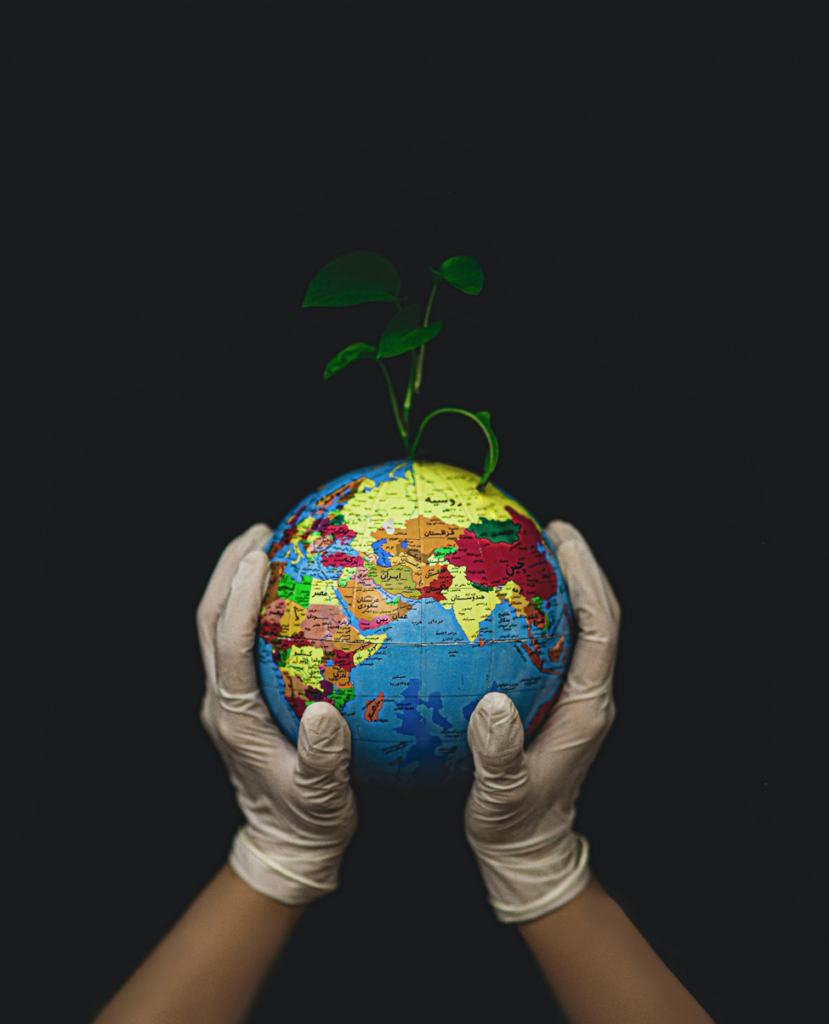


Waste Reduction and the Circular Economy
Waste management is another critical area where sustainability is creating opportunities. Recycling startups are turning waste into valuable products, creating jobs and reducing environmental impact. Plastic waste is being transformed into construction materials, while organic waste is being converted into compost for agriculture.
CBDD is championing circular economy models that encourage businesses to minimize waste, reuse materials, and design products with sustainability in mind. These practices reduce costs, open new revenue streams, and strengthen resilience against resource scarcity.
Sustainable Supply Chains
Fashion brands and manufacturing firms are increasingly adopting sustainable supply chains. By sourcing materials responsibly, reducing waste, and ensuring ethical labor practices, these businesses are aligning with global standards and consumer expectations.
The Directorate will provide extra training and guidance to help enterprises integrate sustainability into their supply chains. This not only improves efficiency but also enhances brand reputation. In a world where consumers are more conscious of their purchasing decisions, sustainability is a powerful differentiator.
The Business Case for Sustainability
“The Directorate’s message is clear: sustainability is not a burden but an opportunity. Businesses that embrace eco‑friendly practices are more competitive, attract socially conscious investors, and build resilience against future shocks”.
For Ghanaian enterprises, sustainability opens doors to international markets where green standards are increasingly mandatory. It also strengthens local communities by creating jobs, reducing pollution, and improving quality of life.
A Growing Business Ecosystem
Ghana’s business ecosystem is being reshaped to thrive today without compromising tomorrow. By promoting renewable energy, waste reduction, and sustainable supply chains, the Central Business Development Directorate of FGBMFI Ghana is ensuring that enterprises are prepared for the challenges and opportunities of the future.





Leave a Reply